
LONGEVIS Academy
Cold exposure and skin collagen: a real connection or a marketing claim?
The article examines proposed links between controlled cold, skin microcirculation and indirect support for skin metabolism.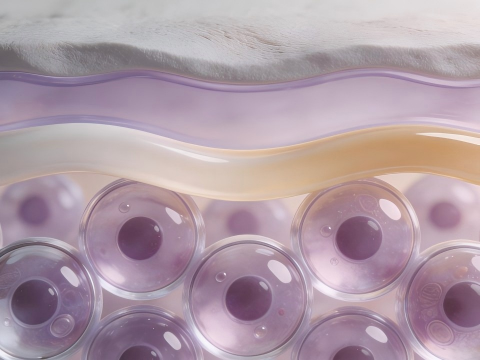
1. The source’s distinction: indirect support rather than immediate collagen creation
The article begins by rejecting the claim that a single cold session instantly tightens or rejuvenates the skin. It contrasts cold exposure with thermal or radiofrequency cosmetic procedures and describes any proposed relationship with collagen as indirect protection and repair, rather than immediate production.
It attributes collagen loss and ageing to changes in the skin’s condition, free-radical damage and impaired microcirculation, with reduced fibroblast activity and gradual damage to collagen fibres. The source argues that cold exposure can affect the environment in which collagen is maintained.
2. Three pathways proposed in the article
Reducing factors associated with collagen breakdown. The source describes prolonged skin stress as contributing to laxity, roughness and fine lines, and associates ultraviolet exposure, late nights and redness after exercise with that process. It claims that a gentle LONGEVIS dry-cold stimulus suppresses surface pro-inflammatory factors and thereby reduces collagen degradation.
Activating fibroblasts. The article claims that brief, controlled cold prompts a repair response and increases the activity and metabolic efficiency of fibroblasts, the cells involved in collagen production. It proposes gradual new fibre formation and improvements in laxity and fine lines, presenting this as long-term care rather than an immediate cosmetic result.
Improving microcirculation and supporting the skin barrier. The source links vessel constriction and dilation with increased surface blood flow, oxygen and nutrient delivery, and removal of free radicals and other waste. It describes these changes as reducing oxidative collagen damage and indirectly supporting clearer, firmer-looking skin. These mechanisms and outcomes are the original article’s claims.
3. The article’s cautions about extreme or improper exposure
The source identifies direct liquid-nitrogen contact and excessively long sessions as potential causes of cold injury and damage to the skin barrier, which it says can worsen collagen loss. It argues that poor operating practices contribute to scepticism about the service.
The article describes LONGEVIS multi-outlet, 360° evenly distributed cold-air technology, a three-minute duration and controlled temperature as its intended alternative. Its further assurances that this will cause no skin damage and will improve laxity or dullness with continued use are historical product claims rather than universal guarantees.
It concludes that the proposed relationship with collagen belongs to gradual skin care rather than instant anti-ageing. The source urges readers to reject exaggerated advertising and follow standardized procedures while considering cold exposure as a complementary experience.
