
LONGEVIS Academy
Five-star hotels, gyms and recovery centres: three sectors exploring the recovery economy
Market trends, commercialization opportunities and changes in customer behaviour.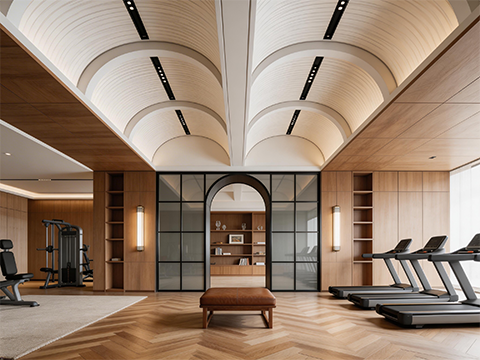
1. What the article means by the recovery economy
The source defines the recovery economy as services built around the body’s ability to regain its condition after physical strain, an idea it relates to longevity research. It claims that more than 70% of the global population experiences reduced wellbeing and identifies prolonged sitting, anxiety, low energy and slow recovery as widespread concerns.
It argues that customers increasingly want more than exercise, a hotel stay or attention to an existing health problem: they are looking for ways to feel less fatigued and more balanced. The article positions recovery services around speed, non-invasive experiences and immediately noticeable effects. Those claimed effects are part of the source’s market argument.
2. Why three sectors are interested
Gyms: the article describes price competition in annual memberships and customer attrition. It proposes recovery after training as a way to differentiate a venue, increase spending per visit and encourage repeat business.
Recovery centres: it describes an opportunity to expand from a relatively narrow specialist audience to office workers, older adults and a broader wellbeing clientele, with a corresponding expansion in commercial scope.
Five-star hotels: the source identifies revenue beyond guest rooms as a growth priority. It proposes premium relaxation experiences to attract affluent visitors and local customers and to support a higher room price. These are commercial proposals, not established results for every business.
3. Cold exposure as a proposed service format
The article argues that a service needs a repeatable process, high turnover and manageable operations. It presents a three-minute cold experience as a candidate, linking it to relief, physical-state regulation, nervous-system balance and recovery capacity.
It describes LONGEVIS commercial chambers and 360° evenly distributed air technology as adaptable to frequent post-training use in gyms, specialist settings and private hotel experiences. It also claims low running costs, a short payback period and no need for dedicated attendance. These statements record the historical source; they do not establish current equipment limits, staffing requirements or financial returns.
The article concludes that competition across these sectors reflects a wider change in health-related spending. Its commercial recommendation is to develop a standardized recovery offer early in order to attract customers and participate in potential market growth.
