
LONGEVIS Academy
A new way to unwind after exercise: the sensations and principles of a three-minute liquid-nitrogen cold experience
An introduction to the article’s account of whole-body cold exposure, from cold stimulus and blood-vessel constriction and rewarming to metabolism, physical condition and recovery.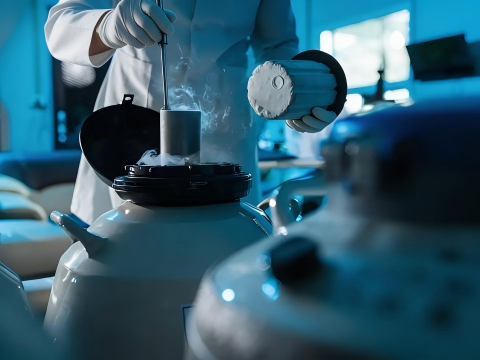
In a fast-paced life with regular exercise, physical relaxation has become an everyday priority. Liquid-nitrogen cold experiences are attracting attention as a technology-based way to unwind, offering a different sensation through brief exposure to a cold environment.
The central idea is a physical stimulus produced by a low-temperature environment. A session takes around three minutes and offers a distinctive, convenient experience. The low-temperature properties of liquid nitrogen are used to create a controlled environment around the body. The source describes this surface stimulus as a way to enter a relaxed state, ease the tightness associated with prolonged sitting or exercise, and feel refreshed.
Compared with longer relaxation activities, the article positions liquid-nitrogen cold exposure as a brief experience that fits small breaks in a busy day. For people who exercise regularly, it presents cold exposure as a complement to everyday relaxation after muscle soreness and tightness. For office workers who sit for long periods, it describes a short session as a way to feel less fatigued and more alert.
A realistic understanding is necessary: liquid-nitrogen cold exposure is a physical relaxation experience, not a medical service or a treatment. Sessions require professional guidance and standardized operating procedures. Suitability should be considered in relation to the individual’s physical condition; people with particular health considerations should consult a qualified professional beforehand to reduce the risk of discomfort.
As interest in everyday wellbeing grows, liquid-nitrogen cold experiences offer a compact, technology-based option for relaxation. A measured understanding of their role and properly supervised use are central to exploring the experience as part of everyday life.
