
LONGEVIS Academy
Mitochondrial activation and cold stimulus: the article’s account of energy metabolism
An explanation of the source’s claim that cold exposure can stimulate the body’s own metabolic processes.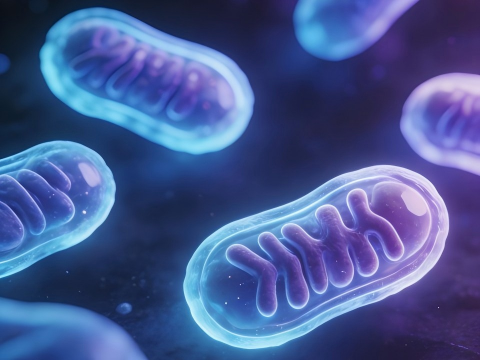
1. Mitochondria as the body’s energy-producing structures
Mitochondria are small structures present in most human cells and are commonly described as cellular power stations. The source explains that they generate most of the ATP required for daily activity and bodily functions.
It links mitochondrial number and activity directly with basal metabolic rate, and associates reduced activity with fatigue, cold hands and feet, fat accumulation and slower recovery. It presents these as common concerns among people who sit for long periods, older adults and people experiencing reduced wellbeing.
The article contrasts approaches based mainly on increased energy expenditure with cold stimulus, which it claims activates mitochondria through a physiological stress response and thereby changes metabolic efficiency at a cellular level.
2. Two mechanisms proposed for cold stimulus
The source uses a controlled, three-minute LONGEVIS dry-cold session as its example and describes two routes to mitochondrial activation. First, it states that cold activates brown adipose tissue, which contains many mitochondria and uses energy to generate heat and help maintain core temperature. It associates this process with increased mitochondrial activity and energy use.
Second, it claims that a short cold stimulus triggers an adaptive process leading cells to create more mitochondria, increasing their density and capacity. The source compares this to expanding an energy factory.
The article distinguishes its proposed controlled stimulus from extreme cold and describes it as sustained activation rather than temporary depletion. It claims both an immediate metabolic effect and a longer-term change in basal metabolism with continued use. These are the source’s claims rather than verified results of a particular chamber session.
3. The proposed place in everyday wellbeing
The original contrasts a controlled, 360° evenly distributed dry-air environment with ice-water immersion or outdoor cold endurance. It describes precise temperature control and claims no piercing discomfort, no damage to deeper tissues or cells, and only a mild surface stress response.
It further claims that the experience reaches a threshold for mitochondrial activation without excessive stress, and proposes it for people with low energy, slower metabolism or exercise-recovery needs. Its assurances of no side effects and a complete cellular metabolic “awakening” in three minutes are historical promotional statements, not individual safety or efficacy guarantees.
The article concludes by presenting cold stimulus as a passive means of affecting energy metabolism without intensive exercise or strict dieting, and uses that account to explain an expansion from sports recovery into everyday wellbeing.
